Balancing hEDS, new symptoms, and a life that doesn’t always add up.

Living in a body that doesn’t want to hold itself together is like trying to build a sandcastle with dry sand—everything looks fine for a moment, until it crumbles under its own weight. Or like trying to walk around in a sweater that’s unraveling while pretending it still fits just fine. Or like, my personal favorite today, a backyard swing held up by fraying ropes instead of sturdy chains – flexible, yes, but never secure – while everyone watches it smiling, unaware anything is wrong.
Don’t Judge a Person by Their Cover – looks can be deceiving
I’ve always been flexible – something that seemed like a fun party trick as a kid. I could bend in ways others couldn’t, contort into strange shapes, and always passed those sit-and-reach tests in school with flying colors. I never thought that same flexibility would one day come with pain, dislocations, nerve damage, fatigue, a whole host of other internal problems, and the kind of frustration that doesn’t show up in an X-ray.
Unless you’re new here you know I have Hypermobile Ehlers-Danlos Syndrome, or hEDS. It’s a connective tissue disorder that affects how collagen is made, and collagen is in just about everything – skin, joints, ligaments, organs. It’s like my body’s scaffolding is built with elastic instead of steel. Things stretch too far, and they don’t bounce back the way they’re supposed to – that’s the simple explanation.
But that’s not the part people always see.
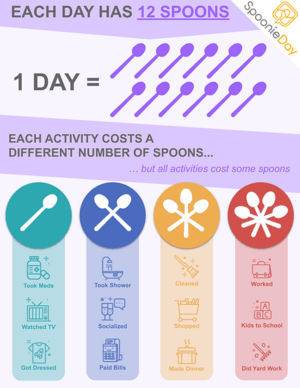
What they don’t see are the random joint dislocations from everyday movements – rolling over in bed, reaching into the backseat of my car, pulling on a sweatshirt, or sneezing. #IYKYK They don’t see how exhausting it is to constantly “hold myself together,” both literally and emotionally. Every day, I have to think about how I move, how long I’ve been standing, how I’m sitting, how much energy I’ve used – and whether I have enough left to get through the rest of the day. #spoontheory While also considering the effect on others, if I come off rude or inappropriate or not lady like in how I sit or hold my body together.
Pain is a constant companion, but it’s the unpredictability that really wears me down. Some days I’m functional – and I celebrate these days, though they always seem to come at times when I can’t take full advantage of them and vice versa for the bad ones. On some of those days I feel like a marionette with strings pulled too tight or tangled up or like the puppeteer has dropped them all together. There’s no warning. No pattern. And yet I’m expected to perform at work, maintain relationships, and “look normal” while managing symptoms that are invisible to everyone else.
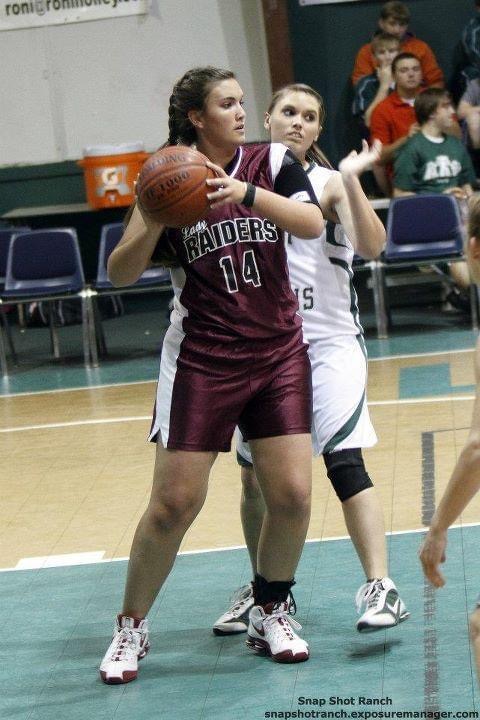
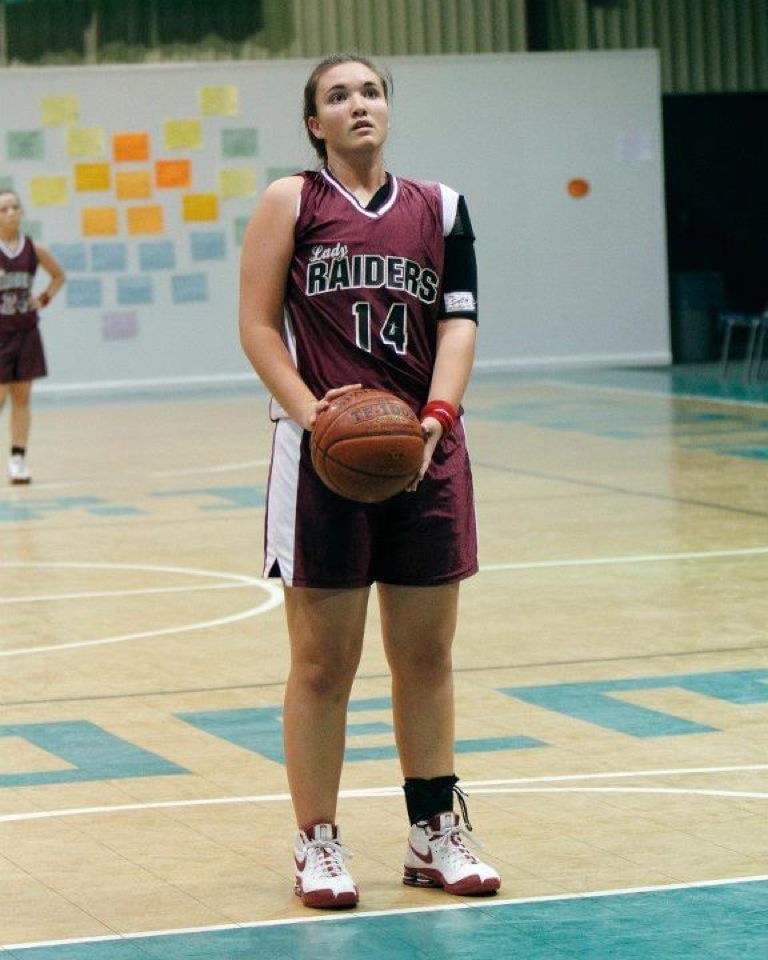
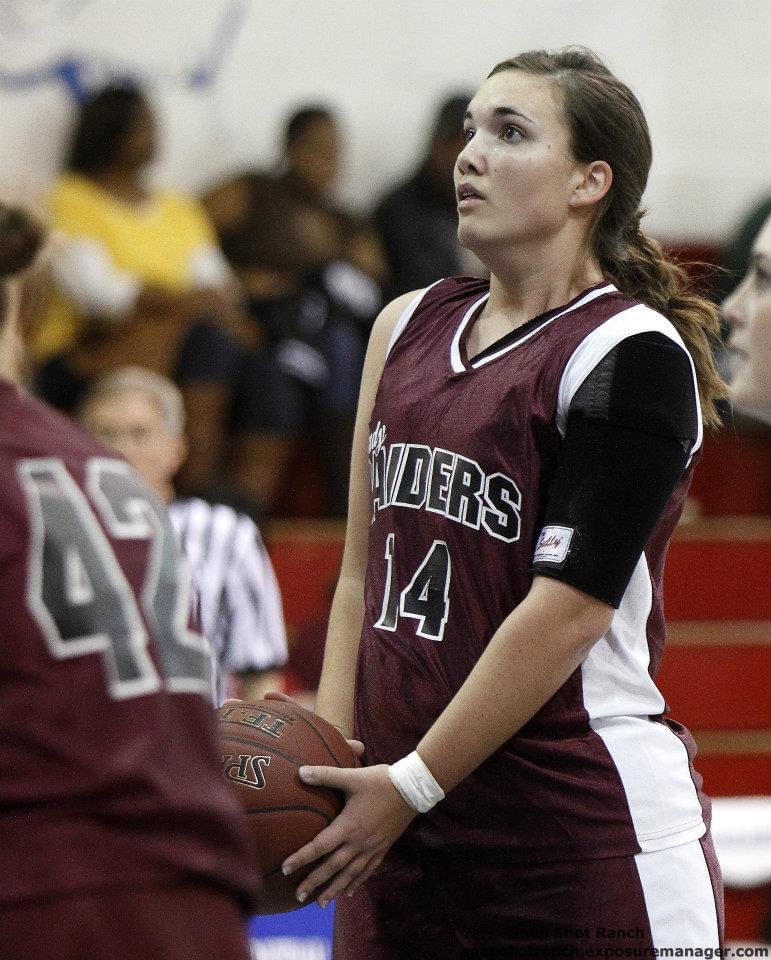
I’ve been learning about and living with this abnormality since 4th grade – I remember discovering I could sublux (partially dislocate) my left shoulder, showing our wonderful local orthopedic in my sports physical, and him subsequently diagnosing the issue and telling me not to be “showing it off”. Being the competitive and stubborn person I am, I continued to play all sports throughout my high school career. Now I read a lot, research often, and have recently visited doctors who specialize (as much as one can with the broad scope of this illness) in EDS. Since then I have changed my diet and exercise routines, added specially formulated supplements, and purchased special posture aids. But it’s never enough.


Just when I think I’m starting to get a handle on things, my body throws me a curveball. Sunday evening (before my first day at my new job), I woke up in the middle of the night with what felt like a deep, crushing yet stabbing pain in my chest. It was 3AM, and my first panicked thought was, Am I having a heart attack? The pain was sharp, radiating through my ribs, into my sternum, and eventually through to my shoulder blade. I sat there frozen, rubbing my chest, trying to decide if I needed to call my mom and wake her or wait it out thinking the whole time, No way is something like this going to happen to me here all alone far away in the middle of the night.
This is NOT how it goes or what I signed up for.
Then through the panic it dawned on me this had happened one time before at school. That time I had called a friend to cover my class and gone to see my favorite school nurse. She checked me out and said all my numbers were fine and by then I was feeling much better so I went back to class. At lunch I mentioned it to my friend and fellow hypermobile person and she told me what she thought it was based on her experience and how to alleviate the pain.
Remembering that pain saved me from a major meltdown. I’m a mad cryer and I was on the verge of tears from not only the pain, but the sheer aggravation of not knowing what was happening, how to fix it, or if it was a big enough deal to wake my mom up and scare her too. It could have escalated real quickly is what I’m saying guys. Like NASCAR fast.
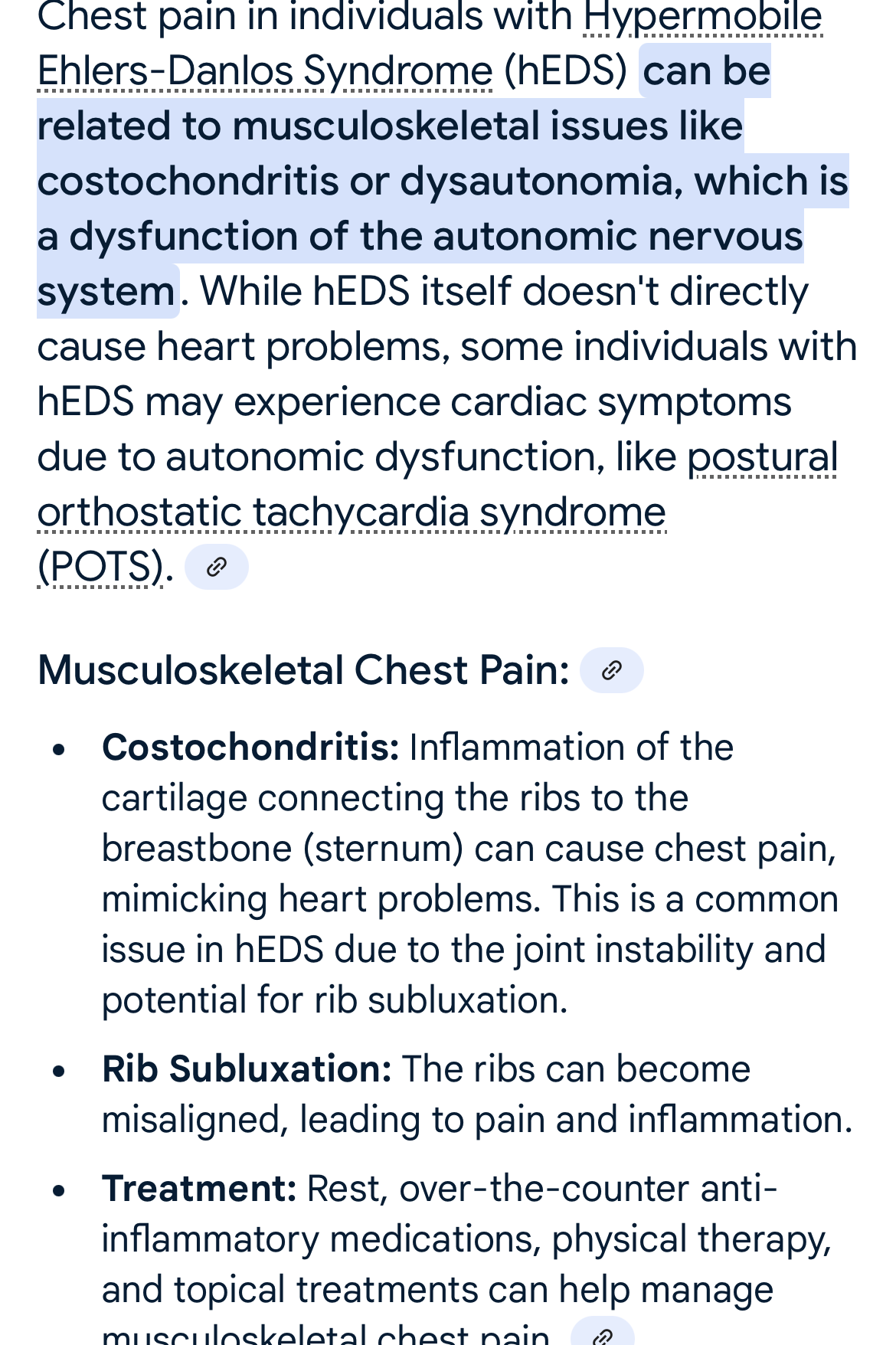
It turned out to be costochondritis – inflammation of the cartilage that connects the ribs to the sternum. Apparently, it’s not uncommon with hEDS. But in that moment, it was terrifying. No one warns you that a connective tissue disorder might one day imitate a cardiac emergency while you’re asleep. No one tells you that your funky party trick and easy way to gross out most teenagers and 30 something year old males you meet can mimic the pain you’ve heard others describe their panic attacks induce. No one said a word. Rude.
Later that day, I caught myself dragging my feet at bedtime. I was tired, but something felt off. And then it clicked: I didn’t want to go to bed because I was afraid – I wanted to say apprehensive because that sounds so much stronger and less dramatic but might as well call a spade a spade, I was scared. I was worried. I didn’t want to wake up like that again – with stabbing pain and no answers, gripped by fear in the dark. Alone.
That’s not normal for me.
I’m generally a let’s get this done, no nonsense, get over it kind of person – make it happen. Like scared of the dark? Find a light. Nose itches? Scratch it. Hungry? Eat. Tired?
GO TO BED.
It’s not just the pain that’s hard though – it’s the uncertainty. The lack of information. Of knowledge. Of being able to recognize the patterns which is literally my job – math. But this math doesn’t math. It’s not knowing what caused it. Not knowing if it will come back. Not knowing if the next time, it will be something worse. That’s the quiet part of chronic illness. The fear that settles in even when the pain fades. The constant buzz of whats next? The everyday state of uncomfortable-ness. The anxiety that lurks just below the surface, ready to rise the moment something feels “off” again.
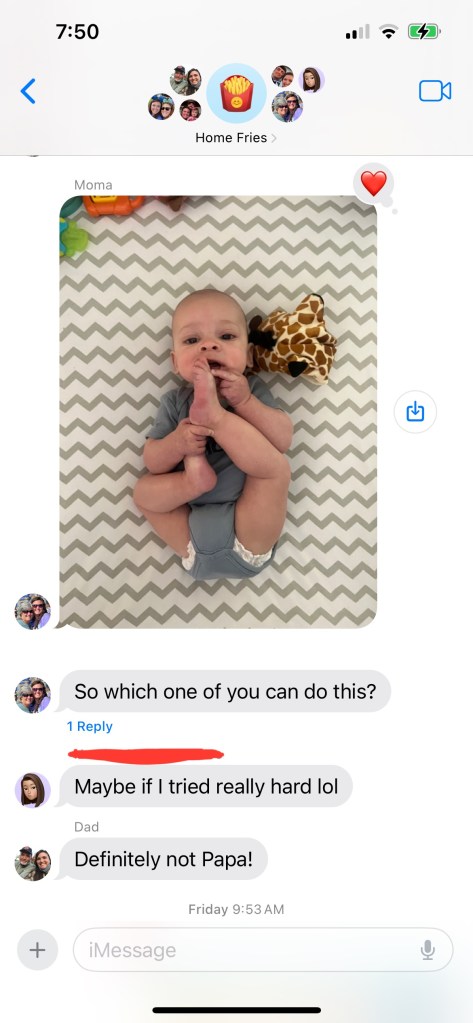
And maybe – just maybe – it was triggered by something I did, that I shouldn’t have done, knowing I probably was overdoing it. My mom had sent a photo to our family group of my newest nephew, sweet ParkerMan, lying on his back with his toe in his mouth, all squishy and bendy. She jokingly texted, “So which one of you can do this?” And, of course, I couldn’t resist the challenge. I laughed – and then immediately contorted myself to try it. I could do it. I did do it. Eventually with both feet, too! But later, I wondered if that tiny act of defiance, of trying to prove I still could, had been a quiet trigger. That’s the thing about hEDS – it’s never just funny or harmless to push your limits. You never know what seemingly small movement might spiral into something bigger. Or even no movement at all.
So maybe that was the trigger, or all the moving and baby holding I did last week, or you know just how I was sleeping. I’ll never know. But now, costochondritis is just one more symptom or side effect added to the long list of “normal for me.” One more pain I have to learn to recognize, to explain, and to navigate without overreacting – or worse, underreacting. And like everything else with hEDS, it came without warning, without plain cause, and without a clear plan for how to manage it going forward.
And honestly? That invisibility is one of the hardest parts. I don’t look sick – at least I don’t think I do. I don’t use a mobility aid most days or really often at all. I take the stairs, hold babies, and participate in runDisney events. I DO. So when I say I’m hurting or tired or have to cancel plans, I worry people think I’m being dramatic. A flare up or subluxation isn’t always obvious so I worry people think I’m flakey, or worse that I’ll have to explain how capable yet incapable I am. Strong yet weak – the ultimate oxymoron. The guilt that comes with having to walk away, or cancel plans, or say no is its own kind of pain.






This isn’t a post asking for pity – if anything it’s a “look what I can do even though I know it’s probably dumb and will hurt later and make my mom upset with me and possible increase my medical bills but see I CAN do it and also how cute is our little guy – look look look!”. No, it’s just a glimpse. A peek behind the curtain into a body that doesn’t behave (go figure, right?) – and a mind that’s had to become an expert at masking and adjusting and advocating for itself.
If you’re reading this and thinking, “I had no idea,” – that’s okay. You’re not supposed to know what you haven’t lived. But I hope now you understand a little more. And if you’re someone else living with hEDS, Hypermobility, or another invisible illness, I see you. I get it. You’re not imagining it. And you’re not alone.
 Life Thereafter